Buitoni — How MVP Thinking Built a 7-Year Product
Most new FMCG products fail within their first two years. The Buitoni frozen pizza project was a deliberate attempt to beat those odds — by starting with rigorous consumer insight rather than internal assumptions about what families wanted from an at-home pizza experience.
The Challenge: Build for Longevity, Not Just Launch
The brief was not just to launch a pizza — it was to launch one that would still be on shelves in five years. That required identifying the core functional and emotional “jobs to be done” that no existing product was fully addressing, then designing around those — and only those. No feature creep. No internal wishlist.
My Approach: Deep Immersion, Minimal Viable Launch
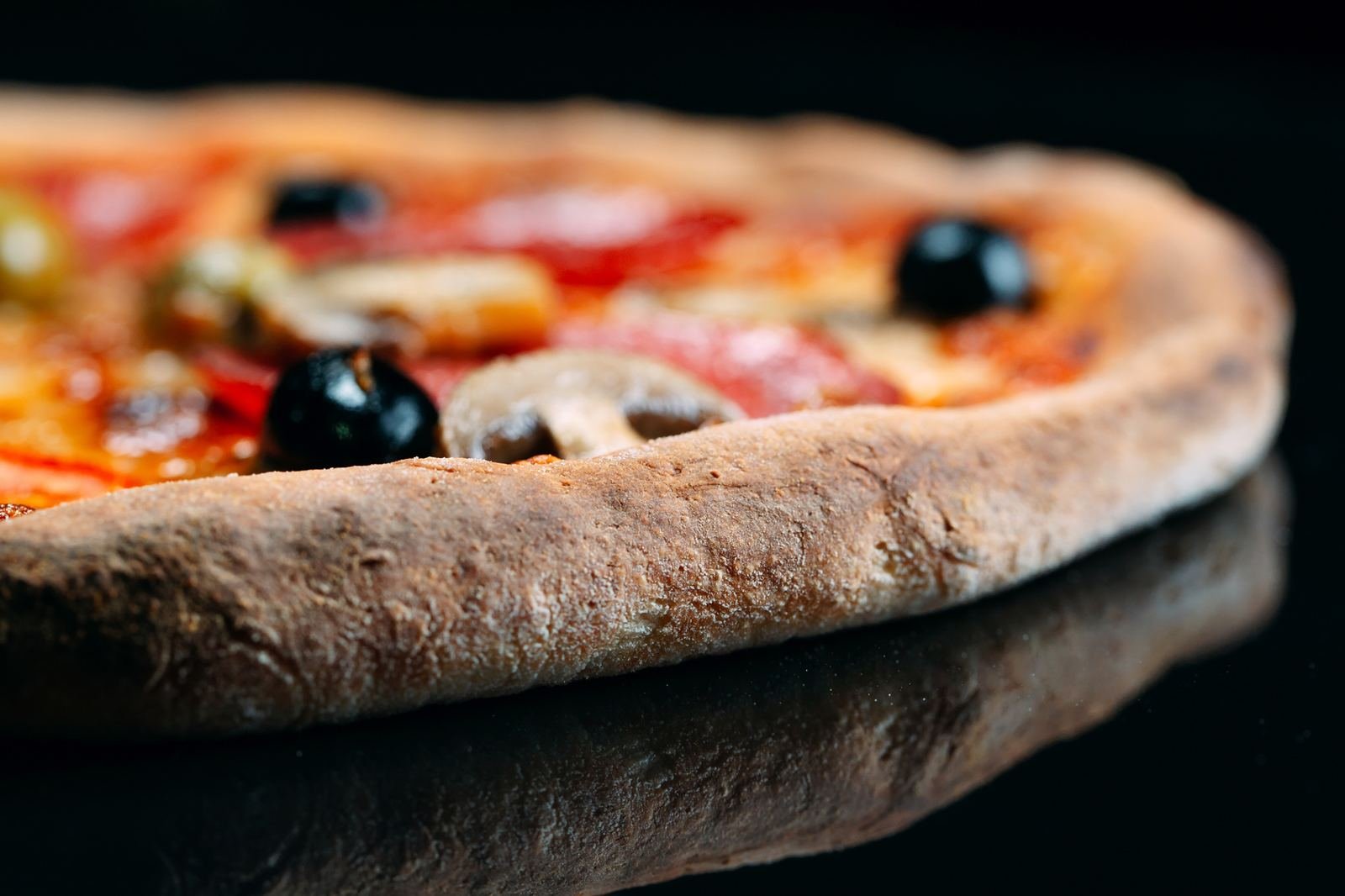
I began with a true market immersion: sampling and analyzing 10+ pizza varieties across five European markets — not as taste tests, but as a structured investigation of what made people choose, enjoy, and repeat. This revealed the core tension consumers faced between convenience and authenticity, and the specific crust characteristic that was the primary driver of satisfaction.
I then applied the MVP framework rigorously: identify the 2–3 features that deliver 80% of the value, worked on those — and only those — then iterate based on real feedback. I worked with R&D and Marketing to align on a single prototype that met the “good enough to test” bar, secured cross-functional buy-in, and we launched with a focused feature set.
Results
7+ years on market
one of the strongest longevity records in Nestlé’s frozen food portfolio
4.7/5 rating on Amazon
sustained consumer satisfaction, not just launch excitement
No major reformulation
the MVP framework got the core right the first time
“The MVP is not a shortcut to a mediocre product. It’s a discipline. It forces you to answer the hardest question in innovation: what is the single most important thing this product must do? Everything else is noise.”
Amandine Devergies