Case Study: Buitoni Used MVP to Build a Product That Lasted 7+ Years
Most new products in the fast-moving consumer goods (FMCG) sector face a high failure rate within their first two years. However, true innovation is built to last. This case study breaks down the strategic framework Buitoni used to define, test, and launch a pizza that has maintained market success for over seven years. By focusing on the core values that mattered most to customers, we helped them build a product with incredible staying power. At LeanSparker, we believe that longevity is the ultimate metric of success.
By implementing a Minimum Viable Product (MVP) approach, we didn’t just launch a pizza; we launched a market leader. This journey involved blending culinary tradition with modern Digital Transformation tools to ensure the final product resonated with the emotional and functional needs of families across Europe. Let’s explore how a disciplined “less is more” philosophy created a multi-year asset for the Buitoni brand through rigorous idea validation.
The Challenge: Building a Product That Doesn't Fail Next Year
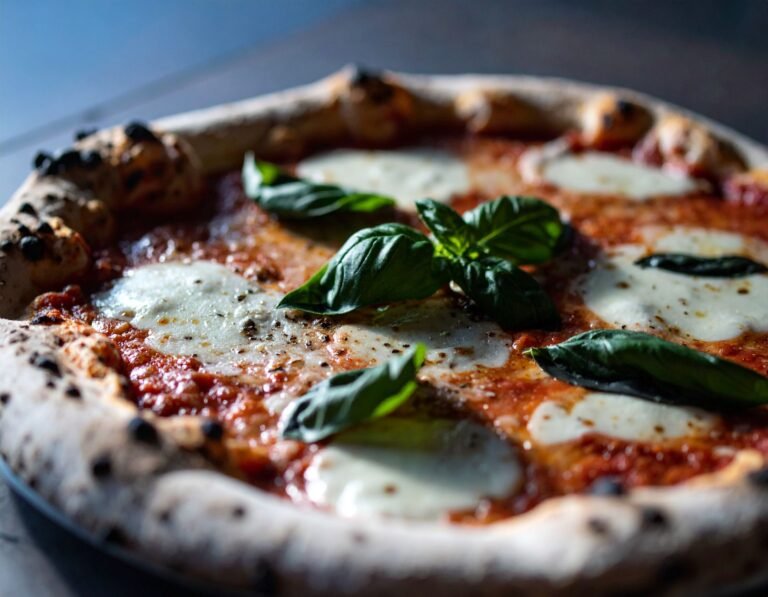
Buitoni, a leader in frozen foods, faced a classic challenge: how to disrupt a saturated market with a product that stays relevant for the long haul. The goal was to create an at-home pizza that truly rivaled consumers’ favorite restaurant experiences. To achieve this, we had to move past temporary trends and identify the “Jobs to be Done” that current products were failing to address. This required deep Market Insights to ensure the product was technically feasible and emotionally resonant.
By identifying the essential customer values early, we translated complex findings into a simple business case. This secured alignment across R&D and Marketing, protecting the project from internal resistance and ensuring the brand was ready for a high-impact, low-risk launch.
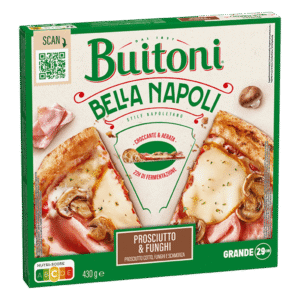
7+ Years
on the market, defying the typical CPG (Consumer Packaged Goods) failure rate.
Streamlined Feature Identification
using MVP and Experimentation, saving failed development costs
A Product
that still commands market presence today.
The Playbook: Strategy, Alignment, and the Power of the MVP
Step 1: Deep Immersion (Finding the Customer’s Truth)
We executed a true immersion, sampling 10+ varieties across five European markets. This went beyond simple taste tests. We analyzed what people really wanted from an at-home pizza, uncovering the emotional and functional ‘jobs to be done’ that current products were failing to deliver. This gives you a data-driven map of the exact gap in the market (Deep competitive analysis & market understanding).
Step 2: Critical Thinking & Alignment
A revolutionary product needs executive backing. We translated complex market findings into simple business cases and secured alignment across R&D, Sales, and Marketing early. This step is critical: it prevents a revolutionary idea from being blocked by internal resistance later on.
Step 3: Launching the Minimum Viable Product (MVP)
We designed the launch around the MVP framework. This means identifying the core features that deliver 80% of the value (like the perfect crust) and launching only those. Through quick Prototypes and Experimentation, we minimized the initial investment and risk, allowing Buitoni to iterate and scale based on real-world feedback, not speculation.
Launch Strategy: The Power of the MVP
We designed the Buitoni launch around the MVP framework to minimize initial investment while maximizing learning. Instead of building every possible variation, we launched the most perfected core version. This allowed the team to iterate and scale based on real-world sales data rather than speculation. This level of Innovation Governance is what prevents expensive post-launch pivots and ensures the brand stays agile in a competitive landscape.
The result of this disciplined execution was a product that not only entered the market successfully but remained a top seller for over seven years. This longevity provides a massive boost to Innovation ROI, as the development costs are amortized over a much longer lifecycle. At LeanSparker, we specialize in helping organizations transition from “one-hit wonders” to enduring market staples. By applying these Business Resilience principles, we ensure your next innovation becomes a permanent part of your brand’s legacy.
Success: A Legacy of Quality and Trust
The Buitoni case study proves that when you build with the consumer at the center, the results last. It highlights how Collaboration can be used to analyze cross-border market trends, giving human designers the data they need to create products that transcend cultural boundaries. Today, this pizza range still commands a significant market presence, standing as a testament to the power of a well-executed Validated Prototype.
Your organization can achieve similar results by embracing a “Test and Grow” philosophy. Whether you are operating in Switzerland or across the globe, the path to sustainable success is the same: listen, lean in, and lead with evidence. Don’t just launch a product—start building an enduring market leader that provides value for years to come. Let’s discuss how we can apply this longevity framework to your next high-potential idea and transform your innovation pipeline into a series of long-term assets.
Ready to Build an Innovation that Lasts 7+ Years?
The Buitoni case study is not about pizza; it’s about disciplined execution and achieving product longevity in a cutthroat market. Stop launching products that fade. Let’s discuss how our methodology can turn your high-potential idea into a proven, long-term asset.
Stop launching products that fade. Start building enduring market leaders.
Let’s discuss how our longevity framework can increase the lifetime ROI of your next innovation.
Frequently Asked Questions: How can we ensure a product lasts 7+ years?
Building an enduring market leader requires a shift from short-term trends to long-term value. Here is how we help you achieve product longevity through disciplined innovation.
Question 1: What exactly is an MVP in the food industry?
Answer: An MVP (Minimum Viable Product) is the simplest version of your product that satisfies the core customer need. By focusing on Rapid Prototyping for the most important features, you can launch faster and with less financial risk.
Question 2: How does an MVP approach improve long-term ROI?
Answer: By launching only the core features first, you avoid spending your budget on things customers don’t actually want. This ensures a higher Innovation ROI because your investment is perfectly aligned with real market demand.
Question 3: Why is internal alignment so critical for a new launch?
Answer: Silos kill innovation. Using Corporate Innovation Workshops ensures R&D, Sales, and Marketing are all aligned on the same “Customer Truth,” preventing late-stage vetoes and ensuring a smooth rollout.
Question 4: How can we predict what will be relevant 7 years from now?
Answer: We use Strategic Foresight to analyze underlying shifts in consumer behavior rather than passing fads. Focusing on “Jobs to be Done” ensures the product solves a fundamental need that doesn’t go away.
Question 5: Can AI help in the development of long-lasting products?
Answer: Yes! Through Human-Machine Collaboration, AI analyzes massive datasets across markets to find patterns in product longevity, helping human experts decide which features are worth the investment.